Table Of Content
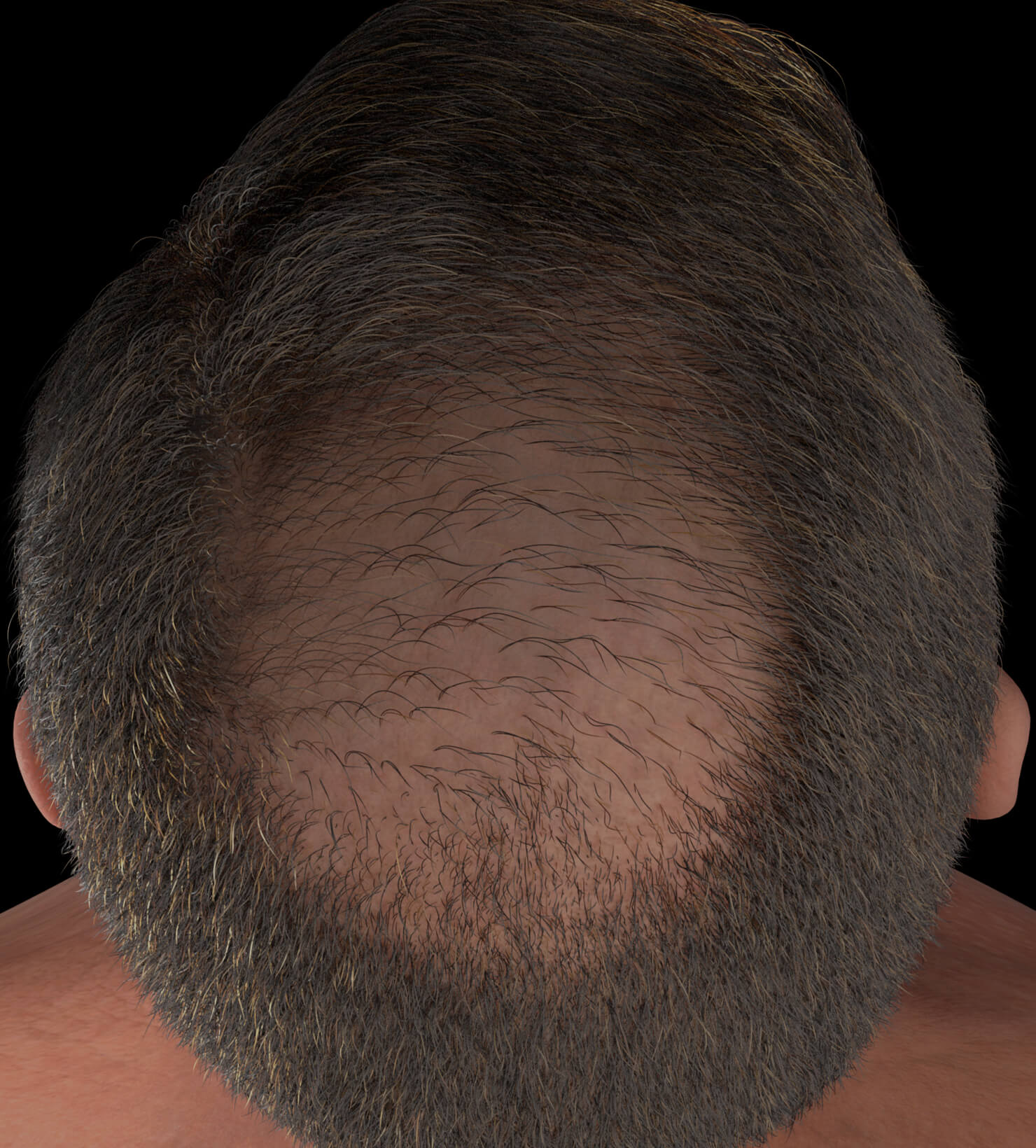
PRP injections can be effective in treating male pattern baldness, both in preventing hair loss and promoting new hair growth. PRP can also aid in the stimulation of hair growth after hair transplants. After creating platelet-rich plasma from a patient’s blood sample, that solution is injected into the target area, such as an injured knee or a tendon. In some cases, the clinician may use ultrasound to guide the injection.
Health
In fact, in the bulge area, primitive stem cells of ectodermal origin are found, giving origin to epidermal cells and sebaceous glands. In matrix, germinative cells of mesenchymal origin are found at the dermal papilla. Interactions between these two kinds of cells as well as with binding growth factors (PDGF, TGF-β, and VEGF) activate the proliferative phase of the hair, giving rise to the future follicular unit [1]. For these reasons, Gkini et al. [1], and Khatu et al. [3] have reported in two different works that PRP could serve as a potential treatment for androgenic alopecia.
Health Alerts from Harvard Medical School
The technician injects the plasma into areas on the scalp affected by hair loss — usually about 15 to 20 injections per PRP session, Khetarpal says. Platelet-rich plasma (PRP) therapy may help address hair loss by stimulating hair regrowth and thickening hair in people with hereditary hair loss. While the treatment is safe and effective, more research is needed to confirm its long-term efficacy. PRP therapy is not a cure for hair loss, and the results can vary from person to person. Doctors typically use this treatment when hair loss results from androgenetic alopecia, a common condition that causes hair follicles to shrink.
Procedures
Our study revealed encouraging results for the treatment of pattern hair loss with PRP for both men and women. The autologous treatment was rated with high satisfaction scores without the occurrence of adverse events and can be considered a safe and effective treatment modality. As patient satisfaction scores are subjective to some extent, we added clinician satisfaction scores and found out that they were consistent with the scores from the patients. Our study confirms the positive patient satisfaction scores and the high safety profile of PRP injections reported in literature. Therefore, we consider PRP a valuable treatment option for male and female pattern hair loss. Nevertheless, future randomized controlled studies investigating both hair count and patient satisfaction would be desirable.
Physicians began using PRP therapy about a decade ago to speed up the healing process in damaged joints after injury or surgery. And we know you're going to love The Science of Beauty, a series on Allure.com that goes deep into the how and why behind your favorite products. For even more nerdiness, check out The Science of Beauty podcast, produced by our editors. PRP injections are sometimes used as an anti-aging treatment, but there is little evidence to show that PRP reduces wrinkles and other signs of aging. Early studies indicate that PRP injections may help treat osteoarthritis pain and stiffness by modulating the joint environment and reducing inflammation, but research is growing.
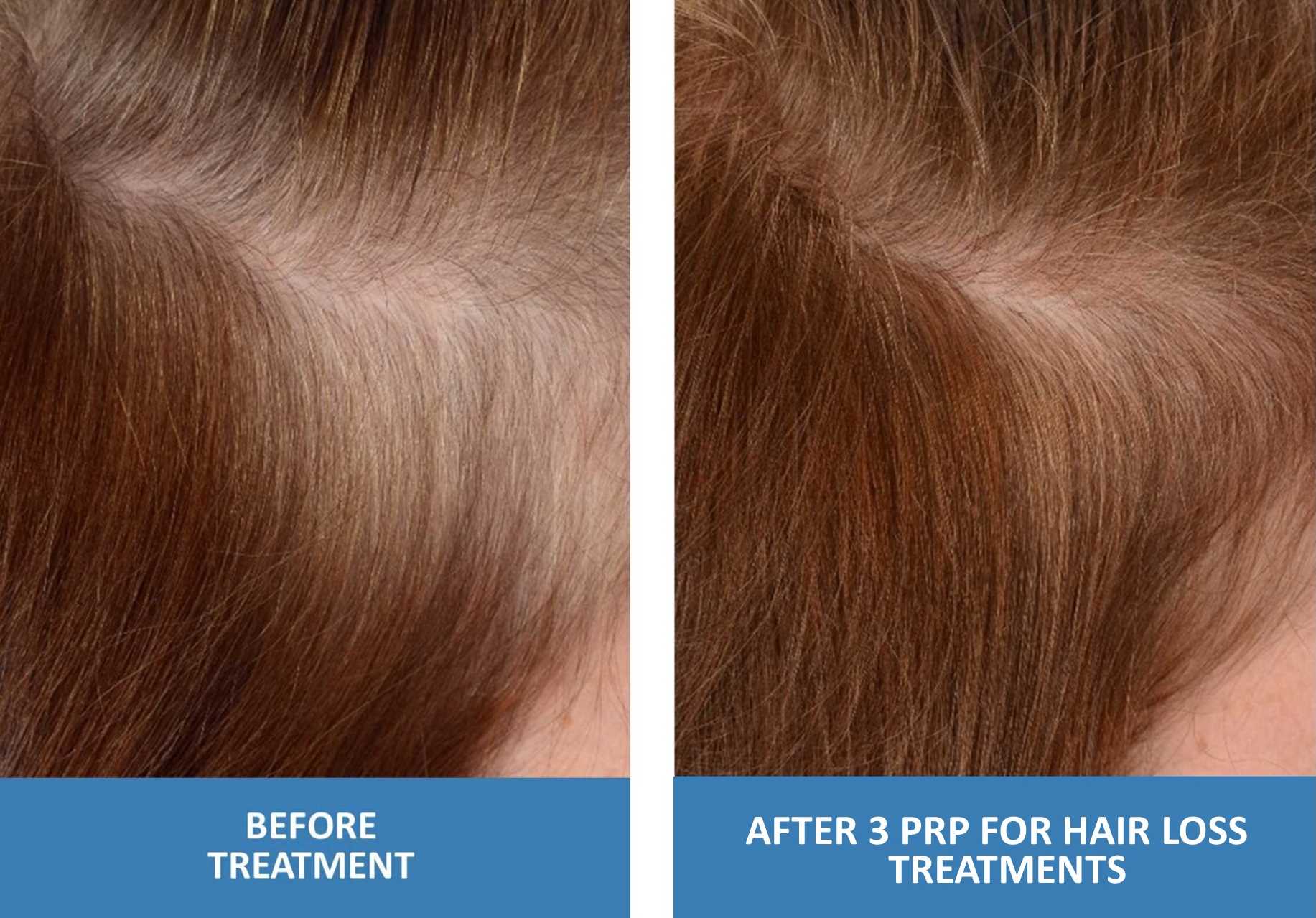
But large studies that looked at PRP injections for ankle, knee, and Achilles tendon problems raised questions about how useful the shots are. PRP may help promote increased blood flow to sites and blood vessel development. It can also help hair follicle turnover, reverse hair follicle miniaturization, and may help stimulate follicular stem cells, all of which lead to improvement of hair growth. Though PRP to treat hair loss is relatively new, research has been promising. A small study published in the April–June 2014 issue of the Journal of Cutaneous and Aesthetic Surgery tested PRP on 11 men with androgenetic alopecia who had not had success after six months of medication. After three months, they received four treatments and saw their hair count increase by about 30 percent.
The various hair-growth parameters measured after 3 months of the first treatment were compared with the baseline study before treatment and between both treatment and control areas. Mean total hair counts, hair density, and terminal and vellus hair densities for the treatment and control areas are listed in Table 2. At baseline, there were no statistical differences in hair count, hair density, and terminal and anagen hair densities between the treatment and control area of the scalp. The primary outcome was residual hair count and hair density based on computerized trichogram (Fig. 1). In one study, patients who had PRP injections for hair loss reported a high level of satisfaction with the treatment.
Masks Strongly Recommended but Not Required in Maryland, Starting Immediately
Factors such as age, overall health, and the underlying cause of hair loss can influence the timeline for regrowth. Plasma is the liquid part of your blood that’s mostly water and protein. It lets red and white blood cells and platelets move through your bloodstream. Mayo Clinic Center for Regenerative Medicine seeks to translate regenerative therapies into the clinical practice.
How to Prevent Hair Loss For Real - GQ
How to Prevent Hair Loss For Real.
Posted: Mon, 18 Jul 2022 07:00:00 GMT [source]
The medical professional then extracts the platelets for injection. A PRP injection is a low-risk procedure and does not usually cause major side effects. The procedure involves a blood draw, so you should make sure you are hydrated and have eaten beforehand to prevent feeling lightheaded.
Hair loss shows up in different places and is treated differently depending on whether you’re a man or a woman. Your hair can be a clue to several health issues, from stress to anemia to thyroid disease. Khetarpal estimates each treatment will cost $600 to $1,500 out of pocket, depending on where you live.
According to the FDA, “off label” means that while the drug or therapy is approved, it’s not approved for the use or diagnosis that your doctor may be recommending. In these cases, the FDA has determined that the drug’s potential benefits may outweigh its risks. Your doctor may recommend an approved drug for an unapproved use if he or she thinks it may be helpful to you, and if you’ve exhausted all other treatment options. Hereditary hair loss is extremely common — it affects about 80 million people in the United States alone — but that doesn’t make it any less distressing. Many men and women battling sudden balding or thinning hair turn to doctors for help. At this point, without a standardized protocol for injections, the authors explain, it is difficult to conclude that the treatment is effective.
Typically, patients still need to continue their medical therapy to maximize their results. Thirty patients (33%) completed both pre- and post-PRP questionnaires. Prior to PRP, 61% tried minoxidil, 16% finasteride, and 1% hair transplant. The studyfound 21% of the volunteers had bruising or discomfort after PRP, but overallpatient satisfaction was higher when treated with PRP than the minoxidiltreatment.
Three treatments were administered to each patient at intervals of 1 month. At 6 months, 38% of the patients in the TrA group had relapse of disease, while no patients from the PRP group had relapse at this time point. At 12 months, 71% of the patients in the TrA group experienced relapse of disease, while only 31% of the patients in the PRP group had a relapse. Whereas 96% of the patients in the PRP group had regrowth of fully pigmented hair from the beginning of hair growth, only 25% in the TrA group had pigmented hair at the beginning of hair regrowth. Platelet-rich plasma (PRP) therapy for hair loss is a minimally invasive treatment that uses a person’s own blood to promote hair growth. PRP injections are rich in proteins called growth factors, which may stimulate dormant hair follicles when injected into the scalp, encouraging hair regeneration.
After that time, most of her patients – both male and female – have regrown 30% to 40% of the hair they’ve lost. However, an emerging treatment — platelet-rich plasma (PRP) therapy — appears to help regrow lost hair. And, there are virtually no side effects from PRP, except for a mild feeling of pressure at the injection site, says dermatologist Shilpi Khetarpal, MD. Like we said, it's important to keep in mind that PRP can, and should, be a part of a multifaceted program to treat hair thinning and loss. Your dermatologist may prescribe you spironolactone or finasteride to help promote hair regrowth as well if you are post-menopausal, says Zeichner.


No comments:
Post a Comment